Slab leaks can be a homeowner's nightmare, often going unnoticed until significant damage has occurred. Hidden beneath your home's foundation, these leaks can lead to structural issues, mold growth, and costly repairs. At Flowcore Plumbing Services, we believe accurate slab leak inspection is crucial for early detection and prevention of extensive damage. This post will explore various slab leak detection methods, empowering you to identify potential problems and take swift action.
Understanding Slab Leaks
A slab leak refers to a leak in the plumbing pipes located beneath the concrete slab foundation of a building. These pipes, usually made of copper or PVC, can corrode, crack, or break due to soil shifting, water pressure, or chemical reactions in the soil. Because the pipes are buried, leaks can be difficult to detect without specialized equipment and techniques.
Common Slab Leak Detection Methods
Several methods can be employed for effective slab leak inspection. Here are some of the most common:
Pressure Testing: This involves isolating sections of your plumbing system and pressurizing them with air or water. A pressure drop indicates a leak in that section. This method requires specialized equipment and expertise to perform accurately.
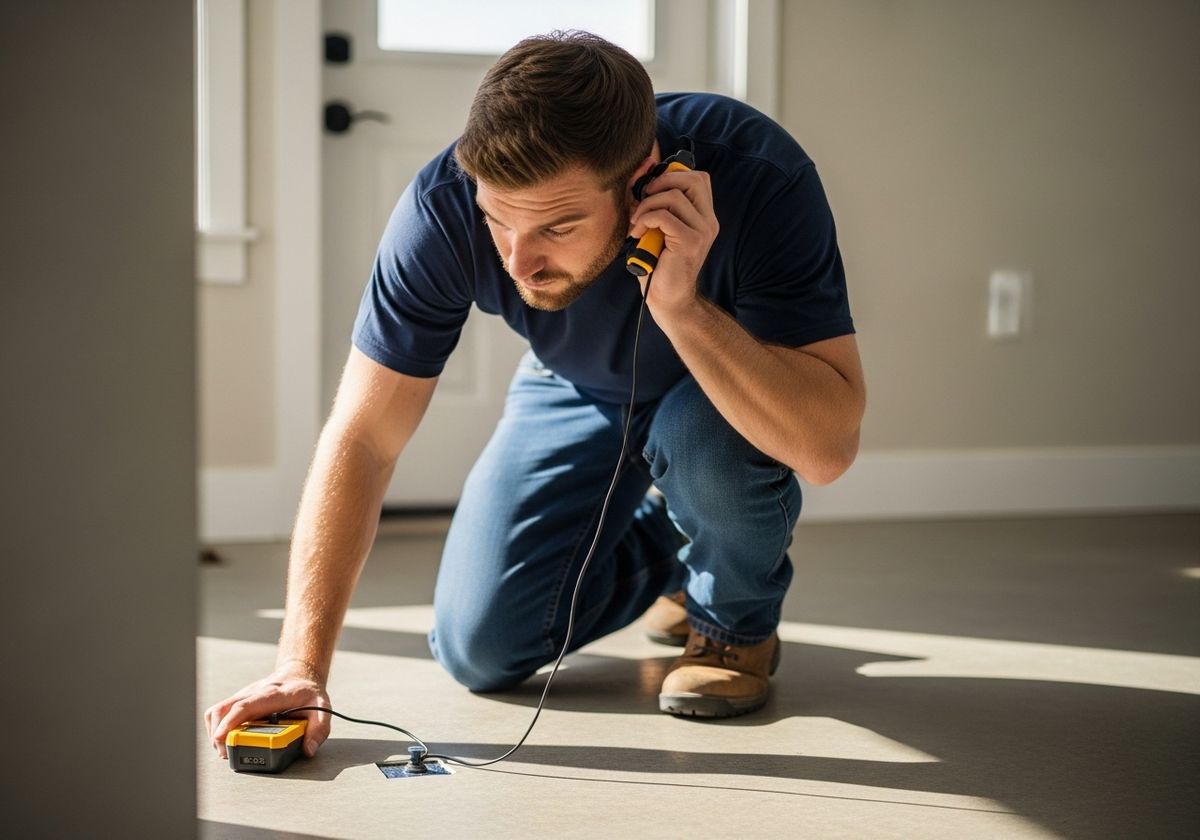
Acoustic Listening Devices: These devices use sensitive microphones to amplify the sound of water escaping from a pipe. Experienced technicians can identify the location of a leak by analyzing the sounds detected through the concrete slab.
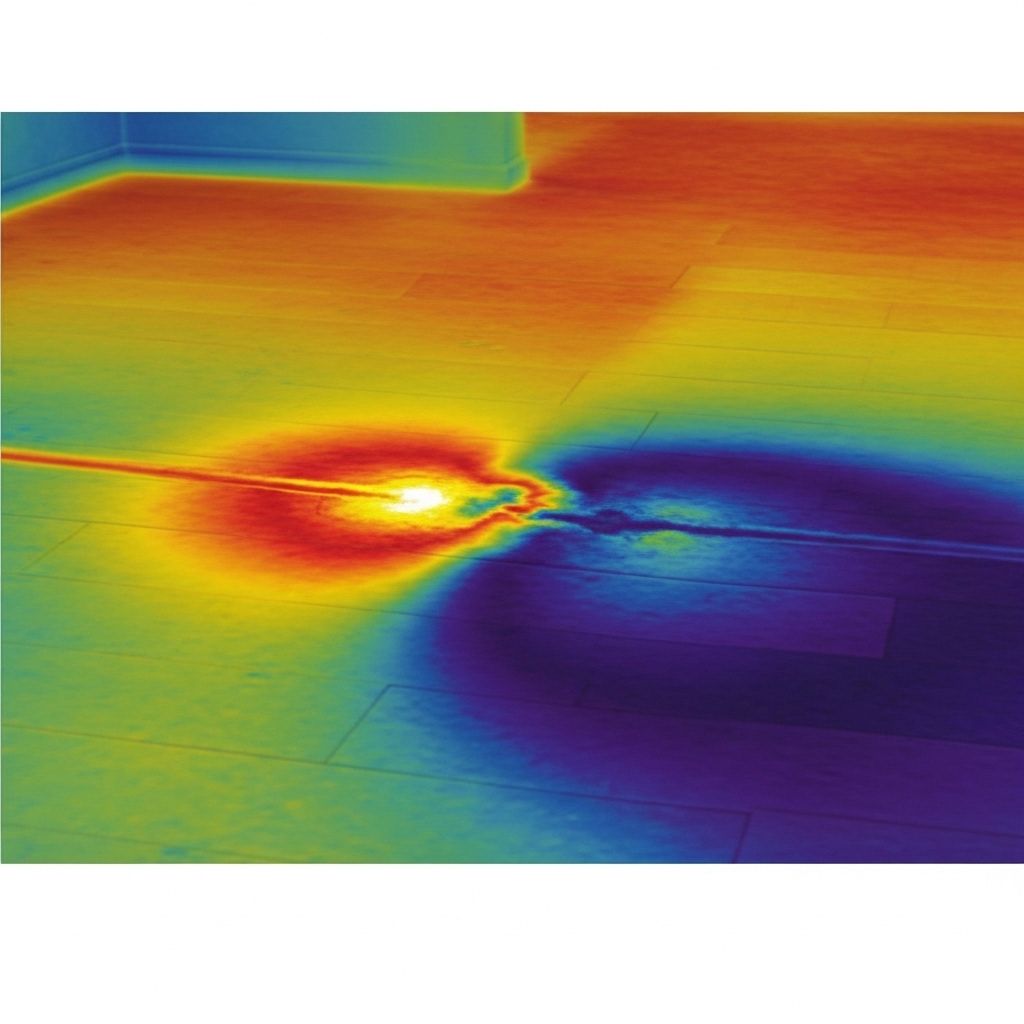
Infrared Thermography: Infrared cameras can detect temperature differences on the surface of the slab. Leaking hot water lines will create warmer spots on the floor, while cold water leaks may create cooler spots. This method is non-invasive and can quickly scan large areas.
Electronic Leak Detection: This method uses electromagnetic fields to trace the path of water flowing through pipes. By sending a signal through the pipes, technicians can identify disruptions in the field caused by leaks.
Video Camera Inspection: In some cases, a small camera can be inserted into the pipes to visually inspect for leaks or damage. This method requires access points to the plumbing system.
Identifying Potential Slab Leak Warning Signs
Even without professional equipment, you can watch out for warning signs that may indicate a slab leak:
Unexplained Increase in Water Bill: A sudden spike in your water bill without any changes in water usage could signal a hidden leak.
Low Water Pressure: A slab leak can cause a drop in water pressure throughout your home.
Warm or Cold Spots on the Floor: As mentioned earlier, temperature variations on the floor can indicate leaking hot or cold water lines.
Sound of Running Water: If you hear the sound of running water when no fixtures are in use, it could be a sign of a slab leak.
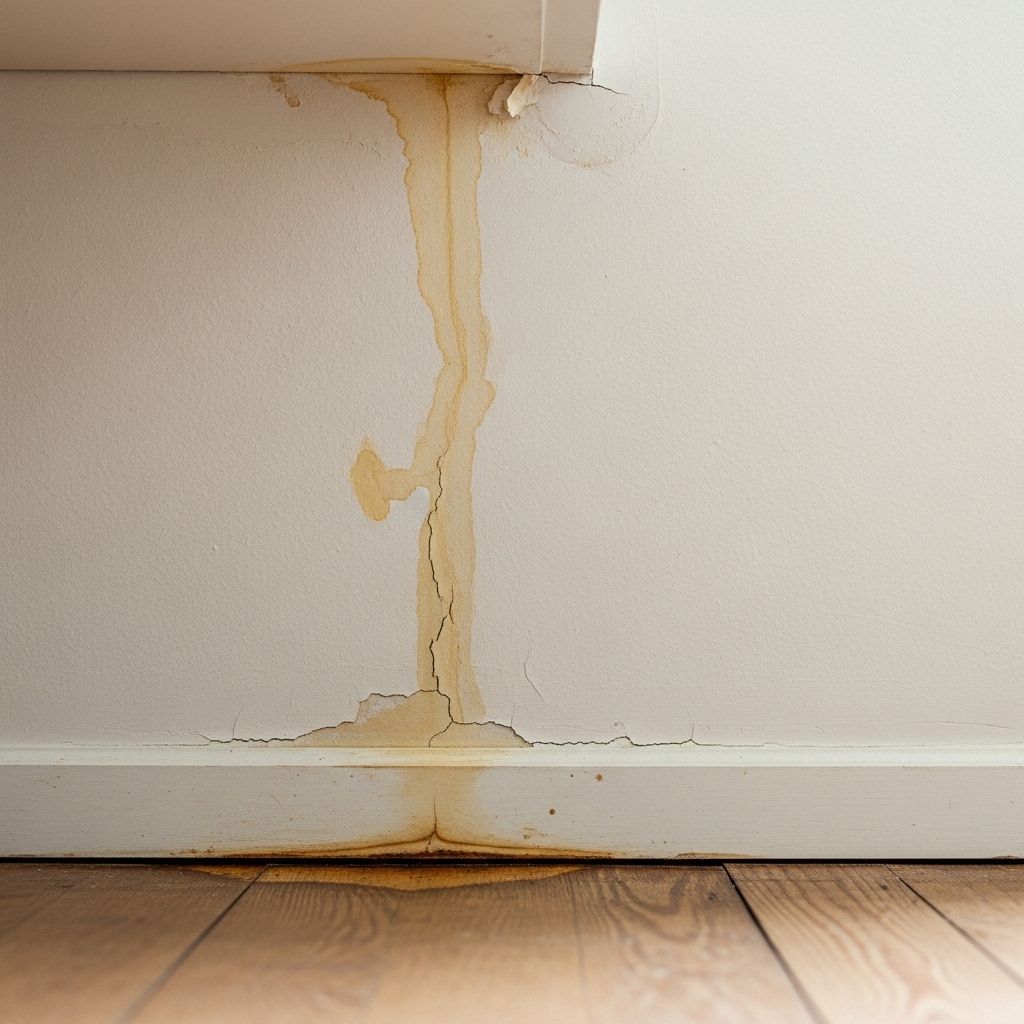
Visible Water Damage: Look for signs of moisture, such as wet spots on the floor, water stains on walls, or mold growth.
Musty Odors: A persistent musty odor, especially in lower levels of your home, could indicate moisture buildup from a slab leak.
The Importance of Professional Slab Leak Repair and Maintenance
While you can look for warning signs, it's crucial to consult with qualified professionals for accurate slab leak inspection and slab leak repair. Attempting DIY repairs can worsen the problem and lead to further damage. Professional plumbers have the expertise, experience, and specialized equipment to accurately locate and repair slab leaks with minimal disruption to your property. Regular slab leak maintenance, including periodic inspections, can help prevent future leaks and protect your home's foundation.
Slab leaks can be challenging to detect, but with the right methods and a keen eye, you can identify potential problems early on. Remember to watch for warning signs, and don't hesitate to contact professionals for slab leak services like comprehensive inspections and repairs. Flowcore Plumbing Services is here to help with all your plumbing needs. Contact us today to schedule an inspection or learn more about our services. You can also visit our website for helpful tips and resources on maintaining a healthy plumbing system.